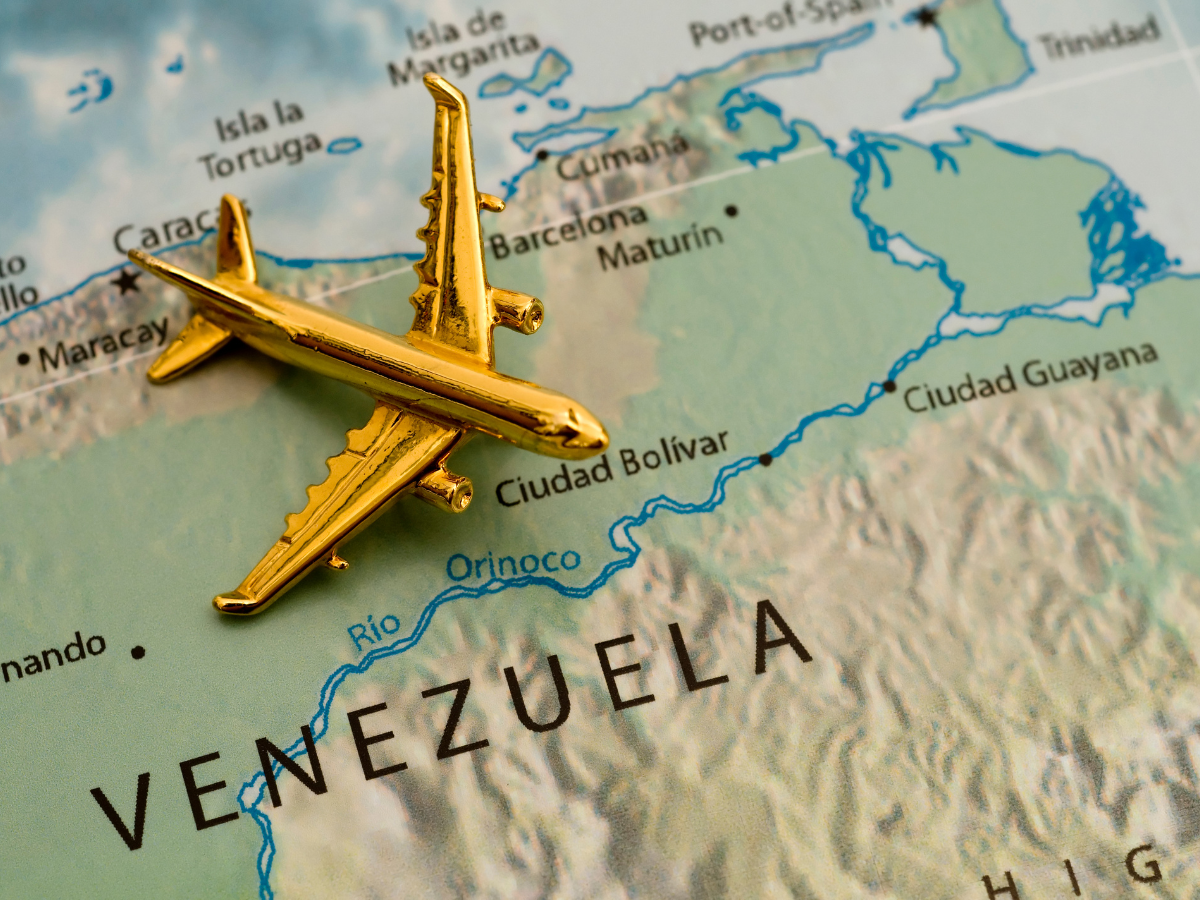
For years, Venezuela has remained at the center of complex sanctions policy, energy market volatility, and geopolitical uncertainty. While headlines often focus on politics, the real-world impact extends far beyond government negotiations.
For companies involved in global trade, shipping, energy, logistics, or export compliance, Venezuela continues to represent a significant area of operational and regulatory risk.
And as sanctions policies continue to evolve, businesses need to understand how quickly trade exposure can change.
Why Venezuela Still Matters to Global Trade
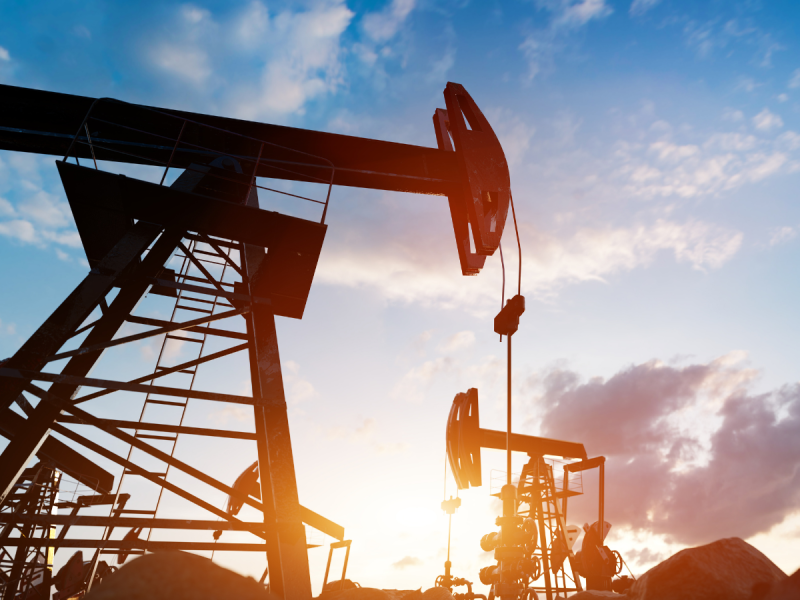
Venezuela holds some of the largest proven oil reserves in the world. Despite years of economic instability, infrastructure challenges, and sanctions restrictions, the country remains strategically important to global energy markets.
Changes in U.S. sanctions policy toward Venezuela can influence:
- Global oil supply and pricing
- Shipping and maritime operations
- Energy sector investments
- Refining and petrochemical supply chains
- International financial transactions
- Export compliance obligations
For companies operating internationally, Venezuela is not just a regional issue. It is part of a broader conversation about sanctions enforcement, geopolitical risk, and supply chain resilience.
The Sanctions Environment Remains Complex
U.S. sanctions involving Venezuela have shifted multiple times over recent years.
Licenses may be expanded, narrowed, renewed, or revoked depending on geopolitical developments and foreign policy priorities. This creates uncertainty for companies trying to evaluate long-term business decisions.
Organizations involved in energy, shipping, manufacturing, banking, or commodities trading should pay close attention to:
- OFAC sanctions updates
- General licenses and expiration timelines
- Restricted entities and blocked parties
- Maritime and vessel-related risks
- Payment and banking restrictions
- Secondary sanctions exposure
One of the biggest compliance mistakes companies make is assuming sanctions remain static. In reality, sanctions programs can change quickly.
Oil Exports and Shipping Risk
Venezuela’s oil sector remains deeply tied to global shipping activity.
When sanctions tighten, companies may encounter:
- Increased vessel screening requirements
- Insurance complications
- Payment processing delays
- Port restrictions
- Enhanced due diligence expectations
- Supply chain disruptions involving crude oil or refined products
Even companies not directly operating in Venezuela may still face indirect exposure through suppliers, freight forwarders, trading partners, or financial intermediaries.
This is especially important for organizations managing international procurement or complex logistics networks.
Compliance Expectations Are Increasing
Regulators continue to place heavy emphasis on sanctions compliance and due diligence.
That means companies should ensure they have strong internal controls surrounding:
- Restricted party screening
- End-user verification
- Vessel and maritime screening
- Beneficial ownership reviews
- Payment chain analysis
- Documentation and recordkeeping
In today’s enforcement environment, regulators increasingly expect companies to identify indirect sanctions risks, not just direct transactions.
For exporters and multinational organizations, compliance can no longer operate as a reactive function.
What Smart Companies Are Doing Now
Organizations operating globally should consider:
Reviewing Supply Chain Exposure
Identify whether suppliers, customers, logistics providers, or financial institutions have ties to sanctioned jurisdictions or entities.
Monitoring OFAC Developments
Sanctions policy involving Venezuela can evolve rapidly. Staying informed is essential for avoiding unexpected disruptions.
Strengthening Internal Compliance Programs
Ensure screening tools, escalation procedures, and export compliance controls are current and consistently applied.
Evaluating Maritime Risk
Shipping-related sanctions enforcement continues to increase globally, particularly in energy and commodities sectors.
Building Operational Flexibility
Companies with diversified suppliers and adaptable logistics strategies are better positioned to manage geopolitical disruptions.
Final Perspective
Sanctions involving Venezuela are about more than politics. They are about operational risk, global energy markets, and regulatory exposure.
For companies engaged in international trade, waiting until restrictions change is often too late.
The organizations best positioned for long-term success are the ones proactively monitoring geopolitical developments, strengthening compliance programs, and preparing for rapid regulatory shifts before they happen.
At Maribod Global, we help companies in defense, space, energy, and advanced technology sectors navigate sanctions risk, export controls, and global trade uncertainty with confidence.
Because in international trade, resilience is not optional. It is strategic.