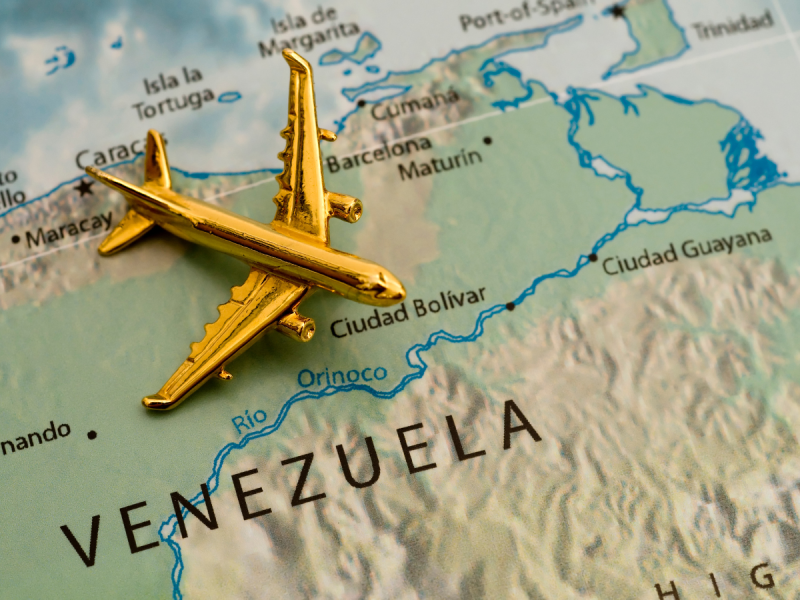
Geopolitical conflict does not just impact governments and militaries. It impacts supply chains, export controls, tariffs, sanctions, shipping routes, insurance costs, and regulatory enforcement.
For companies operating internationally, war introduces one of the most disruptive and unpredictable operating environments possible.
Many organizations assume export compliance is primarily about avoiding regulatory violations. In reality, a strong trade compliance program is also a business continuity strategy.
When geopolitical tensions escalate, companies with structured compliance systems, supply chain visibility, and proactive export controls are significantly better positioned to adapt.
Below are several practical steps companies can take to export-proof their operations during periods of geopolitical conflict.
1. Map Your Supply Chain Exposure
The first step is understanding where your risk actually exists.
Many companies focus only on direct suppliers, but geopolitical disruptions often occur deeper within the supply chain.
Key questions to evaluate include:
- Are any critical components sourced from conflict regions or nearby countries?
- Do key suppliers rely on transportation routes that may become restricted?
- Are there single-source suppliers that create operational vulnerability?
Conflict can impact more than production. It can affect ports, airspace, insurance availability, and transportation corridors.
Companies that map their supply chains early can identify alternative sourcing strategies before disruptions escalate.
2. Monitor Sanctions and Export Control Changes
During geopolitical conflicts, regulatory changes often occur rapidly.
Governments may introduce:
- New sanctions programs
- Expanded export controls
- Entity list additions
- Technology restrictions
- Licensing requirements
These changes can take effect quickly and may directly affect existing customers, distributors, or research partners.
Companies that rely on outdated screening procedures risk inadvertently engaging with restricted parties.
Regularly updating sanctions screening and export classification procedures becomes critical during periods of conflict.
3. Evaluate Foreign National Access to Controlled Technology
War and geopolitical tensions often increase scrutiny around technology transfer and foreign national access.
For companies working with controlled technologies, particularly those regulated under ITAR or EAR, it becomes even more important to verify:
- Who has access to technical data
- Where controlled technology is stored
- Whether remote access controls remain compliant
- Whether foreign national access is properly licensed
Organizations with established Technology Control Plans (TCPs) are far better prepared to manage these risks.
Without clear controls, companies may face heightened regulatory exposure during periods of international tension.
4. Strengthen Documentation and Compliance Procedures
Regulatory enforcement does not pause during conflict. In some cases, enforcement activity increases.
Government agencies often pay closer attention to exports involving:
- dual-use technologies
- aerospace and defense products
- advanced manufacturing tools
- semiconductor and computing technologies
Clear documentation around export classifications, licenses, and internal controls demonstrates due diligence if questions arise later.
Companies that cannot document their compliance processes often face greater scrutiny.
5. Build Operational Flexibility
Export-proofing is not only about compliance. It is about resilience.
Organizations that maintain flexibility in their global operations are better able to respond when disruptions occur.
This may include:
- Diversifying suppliers across multiple regions
- Identifying backup logistics providers
- Maintaining awareness of alternative shipping routes
- Preparing contingency licensing strategies
These steps help ensure that operations can continue even if specific regions become inaccessible.
6. Treat Trade Compliance as Strategic Risk Management
Many companies view export compliance as a legal requirement or administrative function.
In reality, trade compliance is closely tied to geopolitical risk management.
A mature compliance program helps organizations:
- Identify regulatory exposure early
- Avoid engaging with restricted parties
- Manage technology transfer risks
- Maintain credibility with government regulators and prime contractors
- Continue operating internationally during periods of instability
Companies that build these systems before a crisis occurs are far more resilient when geopolitical disruptions emerge.
Final Thought
War introduces uncertainty across global markets. Supply chains shift, regulations change, and enforcement priorities evolve.
Organizations that treat export compliance as part of their broader risk strategy are far better positioned to navigate these disruptions.
Export-proofing your company is not about predicting the next conflict. It is about building operational systems that allow your business to adapt when global conditions change.
If your organization is evaluating how geopolitical risk may impact your export compliance program or international operations, Maribod Global helps companies build practical compliance strategies that support global growth.
If your company wants to strengthen its export compliance program and prepare for emerging global trade opportunities, Contact Maribod Global today!